

Lunex Machine
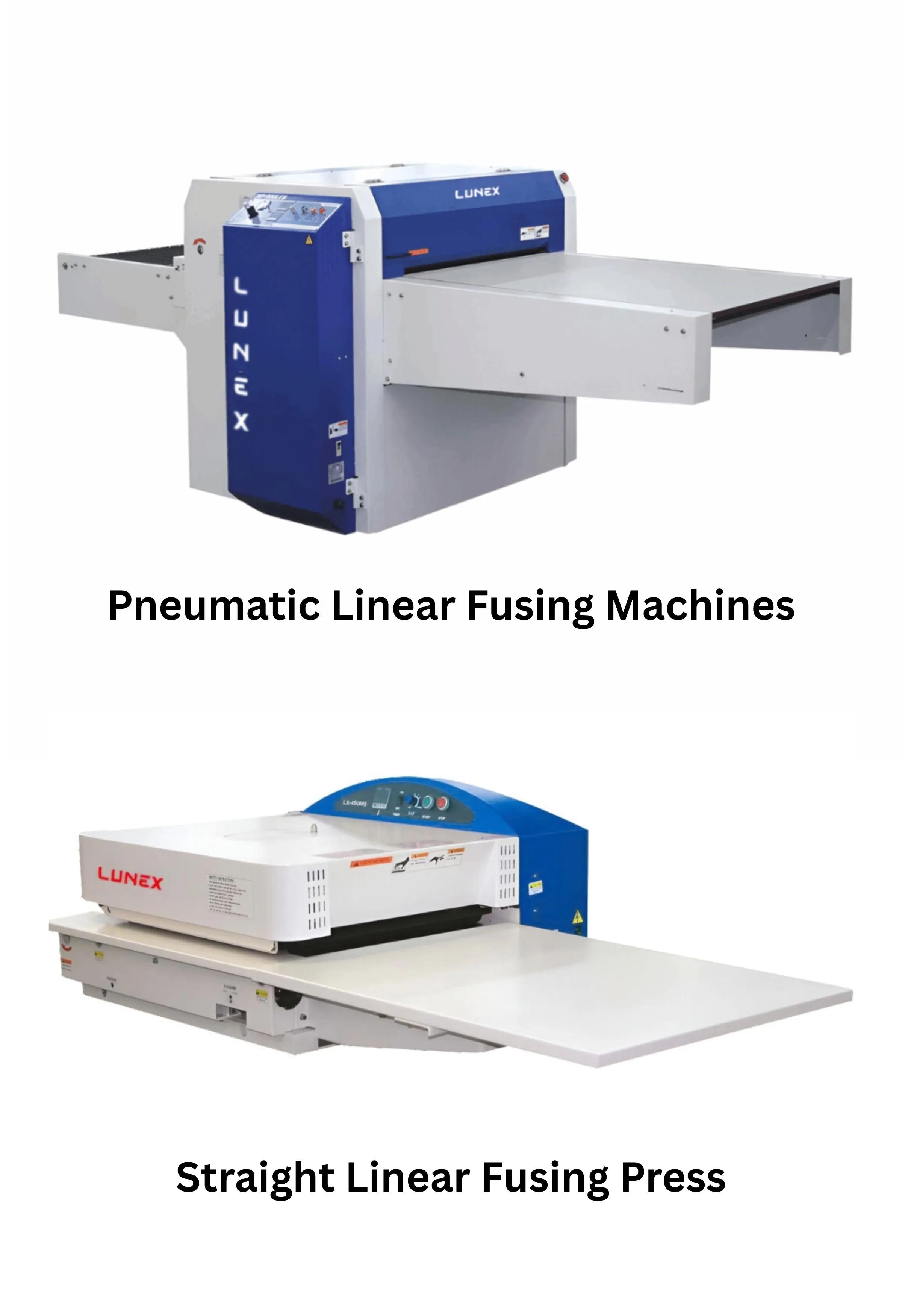
The textile and garment manufacturing industry is continuously evolving with new technologies, advanced machinery, and increasing quality standards. To stay competitive in the market, manufacturers need reliable equipment that improves production efficiency and ensures consistent product quality. An Advanced Fusing Machine is an essential investment for textile businesses that want to achieve strong fabric bonding, professional garment finishing, and higher production output.
At Lunex Machine, we understand the importance of modern fusing technology in garment manufacturing. Choosing the right fusing machine can help businesses improve operational performance, reduce production defects, and maintain consistent quality across different types of garments.
1. Understand Your Production Requirements
Before purchasing an Advanced Fusing Machine, it is important to understand your business requirements. Every textile manufacturing unit has different production needs depending on its size, garment category, fabric types, and daily production targets.
Small garment manufacturers may require compact machines for limited production, while large-scale factories need high-capacity industrial fusing machines to handle continuous operations. Identifying your production volume and workflow will help you select suitable machinery for your business.
2. Check Temperature Control Technology
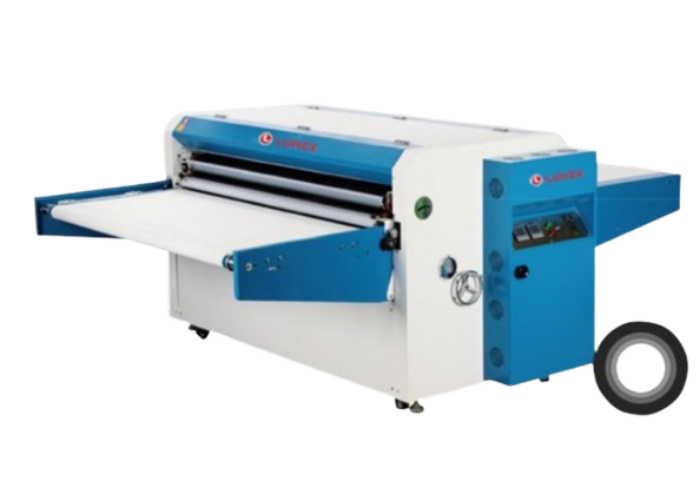
Temperature plays a major role in the fusing process. Proper heat application ensures that interlining materials bond effectively with the main fabric. An advanced machine with accurate temperature control helps maintain uniform heating and prevents common problems such as fabric damage, weak bonding, and uneven finishing.
When choosing a fusing machine, look for reliable temperature adjustment features that allow operators to work with different fabric and interlining combinations. Consistent temperature control improves bonding quality and supports professional garment production.
3. Consider Pressure Adjustment Features
Pressure is another important factor in achieving strong and uniform fabric bonding. Different fabrics and interlining materials require different pressure settings to deliver the best results.
An Advanced Fusing Machine with adjustable pressure settings gives manufacturers better control over the bonding process. It helps reduce common production issues, including bubbling, peeling, and uneven adhesion. Proper pressure distribution also contributes to better garment appearance and durability.
4. Evaluate Production Speed and Efficiency
Production speed is an important consideration for every textile business. A suitable industrial fusing machine should support your production targets without compromising bonding quality.
Modern fusing machines are designed to improve workflow, reduce manual effort, and support faster processing. Before making a purchase, evaluate the machine's operating speed, conveyor performance, and ability to handle continuous production requirements.
For garment factories managing large orders, selecting a high-performance machine can help improve productivity and meet delivery deadlines more efficiently.
5. Look for Energy-Efficient Performance
Electricity consumption is an important operating expense in textile manufacturing. Choosing an energy-efficient fusing machine can help businesses manage their production costs while maintaining consistent performance.
Look for machines with efficient heating systems, reliable temperature regulation, and effective insulation. These features can help minimize unnecessary energy consumption and support cost-effective manufacturing operations over time.
6. Check Machine Quality and Durability
A fusing machine is a long-term investment, so its construction quality should never be overlooked. Industrial machinery must withstand regular operation and demanding production environments.
Before selecting a machine, evaluate its frame construction, conveyor belt quality, heating components, and overall manufacturing standards. A durable machine can reduce unexpected breakdowns, minimize maintenance requirements, and provide reliable performance for years.
At Lunex Machine, we focus on providing textile and garment manufacturing machinery designed to support industrial production requirements.
7. Choose a Machine That Supports Different Fabrics
Textile businesses often work with various fabrics, including cotton, polyester, blended materials, and other garment fabrics. Therefore, selecting a versatile fusing machine is important.
A suitable machine should offer adjustable operating settings to accommodate different fabric thicknesses and interlining materials. This flexibility allows manufacturers to produce shirts, trousers, jackets, uniforms, suits, and other garments with consistent bonding quality.
8. Consider Maintenance and After-Sales Support
Regular maintenance is essential for keeping industrial machinery in good working condition. Before purchasing an Advanced Fusing Machine, consider the availability of technical support, spare parts, installation assistance, and maintenance services.
A reliable machinery supplier should provide proper guidance to help operators understand machine functions and operating procedures. Good after-sales support can reduce downtime and help businesses maintain smooth production schedules.
9. Compare Features and Overall Value
Price should not be the only factor when selecting a fusing machine. Manufacturers should compare machine specifications, production capacity, heating technology, pressure control, energy efficiency, durability, and service support.
Investing in suitable machinery may require an initial budget, but the right equipment can deliver long-term value through improved productivity, reduced material wastage, and better product quality.
Why Choose Lunex Machine for Advanced Fusing Machines?
Lunex Machine understands the changing requirements of the textile and clothing industry. We aim to provide advanced machinery solutions that support garment manufacturers in improving production efficiency, fabric bonding quality, and overall operational performance.
Whether you operate a small garment manufacturing unit or a large industrial production facility, selecting the right fusing technology is essential for achieving consistent results. Lunex Machine focuses on machinery solutions that help manufacturers meet modern production demands.
Conclusion
Choosing the best Advanced Fusing Machine for your textile business requires careful consideration of production capacity, temperature control, pressure adjustment, operating speed, energy efficiency, durability, and technical support. The right machine can improve interlining bonding, enhance garment quality, reduce production defects, and increase manufacturing efficiency.
By understanding your business requirements and selecting reliable machinery from Lunex Machine, you can make a smart investment in your textile manufacturing operations and build a stronger foundation for long-term business growth.