

Fusing Machines for the Textile and Clothing Industry for Professional Garment Finishing
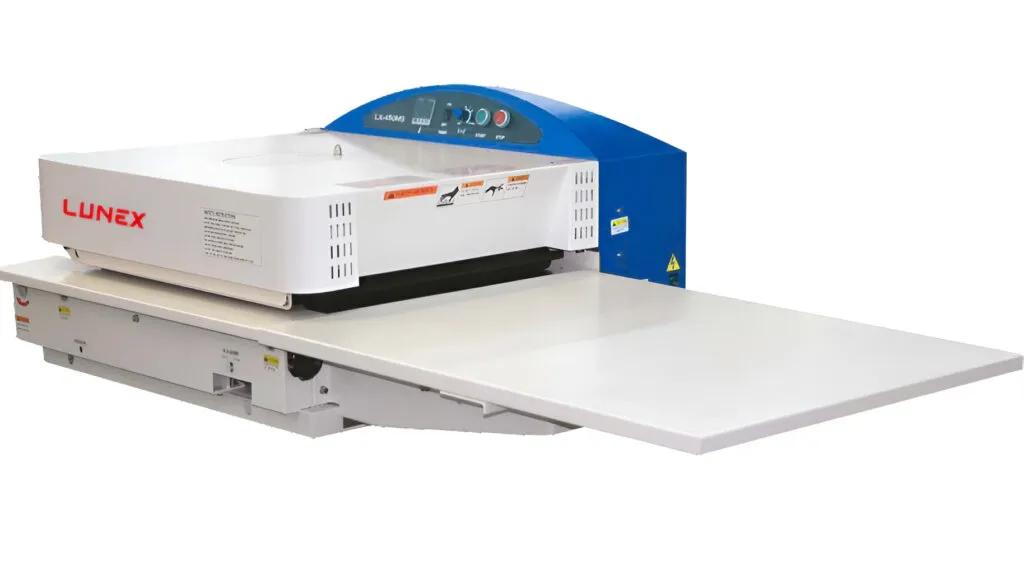
Fusing Machines for the Textile and Clothing Industry
The textile and clothing industry requires advanced machinery to produce high-quality garments with consistent finishing, durability, and professional appearance. Among the essential pieces of equipment used in modern garment manufacturing, a fusing machine plays a significant role in bonding interlining with fabric. Lunex Machine provides advanced garment manufacturing machinery designed to support efficient production, precise fabric bonding, and improved finishing quality. For clothing manufacturers seeking better productivity and consistent results, investing in suitable fusing machines can make a significant difference.
Understanding Fusing Machines in Garment Manufacturing
A fusing machine is specialized equipment that uses controlled heat, pressure, and time to bond fusible interlining with the main fabric. This process is commonly used in collars, cuffs, waistbands, plackets, and front panels of shirts, jackets, trousers, and other garments.
Proper fusing helps maintain the shape, structure, and appearance of finished clothing. It also supports consistent garment construction by ensuring that interlining adheres evenly to the fabric. Compared with less controlled bonding methods, modern fusing machines offer better process consistency and help manufacturers achieve professional finishing standards.

Importance of Fusing Machines for the Textile and Clothing Industry
In today's competitive apparel market, garment manufacturers must balance quality, production speed, and operational costs. Fusing machines help meet these requirements by delivering controlled bonding conditions for different fabric and interlining combinations.
A suitable fusing machine can help manufacturers achieve the following benefits:
Consistent bonding quality: Controlled temperature, pressure, and processing time help create uniform adhesion between fabric and interlining.
Professional garment finishing: Proper fusing improves the structure and appearance of collars, cuffs, waistbands, and other reinforced sections.
Improved production efficiency: Automated or semi-automated processes can reduce repetitive manual work and support smoother production workflows.
Reduced material wastage: Appropriate process settings help minimize defects caused by incorrect temperature, pressure, or processing time.
Reliable garment construction: Correctly fused components can maintain their intended shape during subsequent sewing and finishing operations.
These advantages make fusing machines valuable for apparel factories, textile manufacturers, garment exporters, and clothing production units.
Key Features to Consider When Choosing a Fusing Machine
Selecting the right equipment is essential for achieving reliable results. Before purchasing a fusing machine, manufacturers should evaluate their production requirements, fabric types, interlining materials, and daily output targets.
1. Precise Temperature Control
Temperature control is one of the most important features of a fusing machine. Different fabrics and fusible interlinings require specific temperature settings to achieve suitable adhesion without damaging the material. Accurate temperature regulation helps prevent problems such as poor bonding, fabric discoloration, and excessive stiffness.
2. Consistent Pressure Application
Uniform pressure helps the interlining bond evenly across the fabric surface. Uneven pressure may result in weak adhesion, bubbles, wrinkles, or inconsistent finishing. Manufacturers should select machinery capable of maintaining appropriate pressure throughout the bonding process.
3. Adjustable Processing Time
Processing time determines how long heat and pressure are applied to the fabric. Adjustable settings help operators adapt the machine to different materials and production requirements. Correct processing time is essential for obtaining reliable bonding without unnecessary delays.
4. Efficient Conveyor Operation
Depending on the machine design, conveyor systems can support continuous material movement and organized production. These systems are particularly useful for garment factories processing large quantities of components. Conveyor speed should match the required bonding conditions to maintain consistent quality.
5. User-Friendly Controls
Simple controls and clearly defined operating settings help operators manage the fusing process efficiently. Digital controls, where available, can make it easier to monitor and adjust operating parameters according to production needs.
Applications of Fusing Machines in Clothing Production
Fusing machines are used across multiple garment manufacturing applications. Their versatility makes them suitable for businesses producing different types of apparel.
Shirt manufacturing: Fusing machines help bond interlining to collars, cuffs, and front plackets, supporting a neat and structured appearance.
Suit and jacket production: Tailoring units use fusing equipment to reinforce selected garment panels and maintain the desired shape and finish.
Trouser manufacturing: Waistbands and other structured sections may require interlining to improve stability and maintain their intended form.
Uniform production: Manufacturers producing corporate uniforms, workwear, and school uniforms can use fusing technology to achieve consistent finishing across large production batches.
Fashion apparel: Clothing brands producing formalwear and structured garments can benefit from reliable interlining bonding for improved presentation and construction.
The correct machine configuration depends on the materials, garment styles, production volume, and finishing requirements of each manufacturing unit.
How Fusing Machines Help Improve Garment Quality
Garment quality depends on several interconnected production processes, including cutting, stitching, fusing, pressing, and final inspection. If the fusing stage is inconsistent, the finished garment may develop bubbles, wrinkles, delamination, or unwanted stiffness.
Modern fusing machines help manufacturers control important bonding parameters and establish repeatable operating procedures. However, achieving the best results also requires compatible fabric and interlining, correct machine settings, trained operators, and routine quality checks.
Manufacturers should test new material combinations before full-scale production. Regularly checking temperature accuracy, pressure consistency, and conveyor performance can also help reduce defects and maintain dependable finishing quality.
Maintenance Tips for Long-Term Performance
Proper maintenance helps protect equipment performance and reduce unexpected production interruptions. Garment manufacturers should establish a regular maintenance schedule based on the machine manufacturer's instructions.
Important maintenance practices include:
Clean belts and accessible machine surfaces according to the recommended procedure.
Inspect conveyor belts for wear, damage, or alignment problems.
Check temperature sensors and heating systems for consistent performance.
Verify pressure settings and inspect relevant mechanical components.
Keep ventilation and surrounding work areas clean.
Train operators to follow safe operating procedures.
Arrange professional servicing when technical problems occur.
Routine maintenance can extend equipment service life, support stable operation, and help manufacturers maintain consistent production quality.
Why Choose Lunex Machine for Fusing Solutions?
Lunex Machine serves the garment and textile machinery market with equipment solutions for modern manufacturing requirements. Businesses looking for fusing machines should consider factors such as machine specifications, production capacity, fabric compatibility, operating efficiency, maintenance requirements, and after-sales support before making a purchase.
By selecting equipment that matches their workflow, manufacturers can improve process control and build a more organized production system. Lunex Machine helps businesses explore machinery options suited to their garment finishing and production needs.
To learn more about available fusing machine solutions, visit the official website: https://lunexmachine.com/service/penumatic-linear-fusing-machine/
Conclusion
Fusing machines are essential equipment for the textile and clothing industry, helping manufacturers achieve consistent interlining bonding, structured garments, and professional finishing. With suitable temperature control, uniform pressure, adjustable processing time, and proper maintenance, businesses can improve production efficiency and reduce avoidable defects.
Lunex Machine supports garment manufacturers seeking practical machinery solutions for modern apparel production. Choosing the right fusing machine can help improve finishing consistency, strengthen quality control, and support long-term manufacturing growth.