

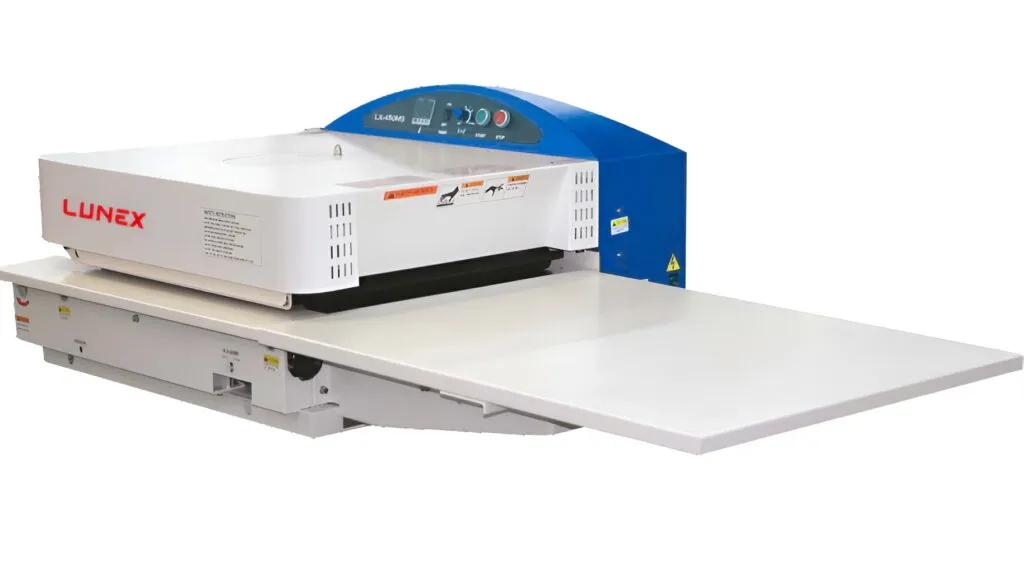
Advanced Fusing Machine
The garment manufacturing industry is evolving rapidly with the introduction of advanced machinery, automation, and smart production technologies. Among the most important innovations transforming garment production is the advanced fusing machine. Modern fusing technology helps manufacturers achieve stronger fabric bonding, consistent quality, faster production, and improved operational efficiency. As garment brands increasingly demand precision and high-quality finishing, advanced fusing machines are becoming an essential part of modern apparel manufacturing.
Lunex Machine is contributing to this transformation by providing innovative garment and textile machinery designed to meet the changing requirements of manufacturers. With advanced features and reliable performance, modern fusing machines can help garment businesses prepare for a more productive and quality-focused future.
What Is an Advanced Fusing Machine?
A fusing machine is specialized garment production equipment used to bond interlining or other materials to fabric using controlled heat, pressure, and time. The process creates a strong and uniform connection between the fabric and interlining, helping garments maintain their shape, structure, and professional appearance.
An advanced fusing machine takes this process further by incorporating improved temperature control, pressure management, conveyor systems, automation, and energy-efficient technology. These features allow manufacturers to achieve consistent results while reducing production errors and material wastage.
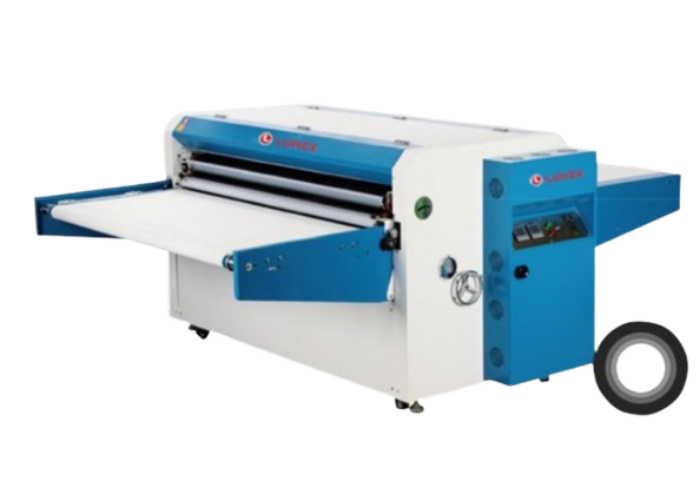
The Growing Role of Fusing Technology in Garment Manufacturing
Modern garment manufacturing requires speed without compromising quality. Traditional manual or less-advanced fusing processes can produce inconsistencies in temperature, pressure, and bonding. Such variations may affect garment appearance and durability.
Advanced fusing machines provide greater control over these production parameters. Manufacturers can maintain stable operating conditions and achieve more consistent bonding across different batches. This is particularly important for large-scale garment manufacturers producing shirts, jackets, uniforms, trousers, coats, and other apparel products.
As international garment markets become more competitive, manufacturers are increasingly investing in technologies that improve productivity and quality simultaneously.
Improved Production Efficiency
One of the major benefits of advanced fusing machine technology is increased production efficiency. Automated feeding and continuous processing can reduce unnecessary handling and help maintain a smooth production workflow.
Modern machines are designed to support high-volume manufacturing environments where speed and consistency are critical. By reducing manual intervention, manufacturers can optimize labor utilization and increase production output.
For garment factories looking to expand their capacity, advanced fusing equipment can become an important investment for building an efficient production line.
Precise Temperature and Pressure Control
Temperature and pressure are critical factors in the fusing process. Insufficient heat or pressure may result in weak bonding, while excessive heat can potentially damage sensitive fabrics.
Advanced fusing machines provide more precise control over these parameters. Digital controls and improved heating systems help operators maintain suitable processing conditions according to fabric and interlining requirements.
This level of control supports consistent results and reduces the possibility of production defects. It also makes the fusing process more suitable for different types of fabrics and garment applications.
Better Garment Quality and Finishing
The future of garment manufacturing is strongly connected with quality. Consumers expect garments to have a professional appearance, durable construction, and reliable finishing.
A properly fused interlining can improve garment structure and help maintain the desired shape. Advanced fusing technology contributes to uniform bonding, which can enhance the overall appearance of collars, cuffs, waistbands, front panels, and other garment components.
Consistent fusing can therefore play an important role in producing garments that meet demanding quality standards.
Automation and Smart Manufacturing
Automation is expected to become increasingly important in the future of textile and garment production. Advanced fusing machines are already incorporating technologies that make operation more efficient and user-friendly.
Digital control panels, programmable settings, automated conveyor movement, and monitoring features can simplify machine operation. As smart manufacturing develops, future fusing systems may become even more connected with production management platforms and automated quality-control systems.
This transition can help manufacturers monitor production performance, identify process variations, and make data-driven improvements.
Energy Efficiency and Sustainable Production
Sustainability is another major factor shaping the future of garment manufacturing. Manufacturers are under increasing pressure to reduce energy consumption, minimize waste, and improve resource efficiency.
Modern fusing machines can incorporate energy-efficient heating systems and optimized operating processes. Better temperature management can help reduce unnecessary energy usage while maintaining the required bonding performance.
Reduced material waste and improved production accuracy can also contribute to more sustainable garment manufacturing. By investing in efficient machinery, manufacturers can work toward both environmental and economic objectives.
Reduced Material Waste
Production waste directly affects manufacturing costs. Incorrect fusing temperatures, uneven pressure, or inconsistent processing can result in rejected components and wasted materials.
Advanced fusing technology helps reduce such issues through controlled and repeatable processing. Consistent bonding allows manufacturers to reduce the number of defective pieces and improve material utilization.
For high-volume garment factories, even a small reduction in production waste can generate significant cost savings over time.

Supporting High-Volume Garment Production
Large garment manufacturers require machinery capable of handling continuous production without compromising quality. Advanced fusing machines are designed to support demanding production environments.
Continuous conveyor-based processing can help maintain a steady workflow, while automated controls reduce dependence on constant manual adjustments. This makes advanced fusing equipment particularly valuable for factories serving large apparel orders and export markets.
For manufacturers planning future expansion, reliable fusing technology can provide the production capacity needed to meet increasing market demand.
Why Choose Lunex Machine for Advanced Fusing Technology?
Lunex Machine focuses on providing garment and textile machinery designed for modern manufacturing requirements. Its approach emphasizes reliable performance, production efficiency, precision, and practical solutions for garment businesses.
By adopting advanced fusing technology, manufacturers can improve the consistency of their production processes while supporting higher productivity. Lunex Machine can help businesses explore machinery solutions suited to their specific garment manufacturing requirements.
Whether a manufacturer is upgrading an existing production line or establishing a new garment manufacturing facility, selecting dependable machinery is an important step toward long-term operational efficiency.
The Future of advanced Fusing Machines
The future of fusing machine technology will likely involve greater automation, smarter controls, improved energy efficiency, and enhanced process monitoring. Artificial intelligence, connected manufacturing systems, and real-time production data may further transform how fusing operations are managed.
Future machines may provide manufacturers with greater insight into temperature, pressure, production speed, energy consumption, and machine performance. Such developments can help create more responsive and efficient garment production environments.
As apparel manufacturers continue to compete on quality, speed, cost, and sustainability, advanced fusing technology will remain an important component of modern garment manufacturing.
Conclusion
The future of garment manufacturing with advanced fusing machine technology is focused on precision, automation, efficiency, sustainability, and consistent quality. Modern fusing machines enable manufacturers to improve fabric bonding, reduce production waste, increase productivity, and achieve professional garment finishing.
For businesses seeking to modernize their production facilities, investing in advanced garment machinery can provide a strong foundation for future growth. Lunex Machine offers solutions that support the evolving needs of the textile and garment industry.
As technology continues to advance, advanced fusing machines will play an increasingly important role in creating faster, smarter, and more efficient garment manufacturing processes.