

How a Needle Detector Machine Supports International Garment Safety Standards

Needle Detector Machine
In the modern apparel industry, product safety and quality assurance are essential for manufacturers supplying domestic and international markets. Garment exporters must follow strict quality control procedures to minimize contamination risks and maintain customer confidence. A needle detector machine plays an important role in this process by identifying ferrous metal fragments, including broken sewing needle pieces, that may remain in finished garments. Lunex Machine provides needle detection solutions designed to support garment manufacturers in improving inspection efficiency and product safety.
Understanding the Importance of Garment Safety Standards
International garment buyers expect products to meet their quality, safety, and inspection requirements. Even a small broken needle fragment can create a potential injury risk, resulting in customer complaints, rejected shipments, financial losses, and damage to a manufacturer's reputation.
Garment manufacturers therefore need reliable inspection procedures throughout production. A needle detector machine helps identify possible metal contamination before garments are packed and shipped. Although detection equipment supports quality assurance, it should be used alongside appropriate handling procedures, operator training, and documented inspection protocols.
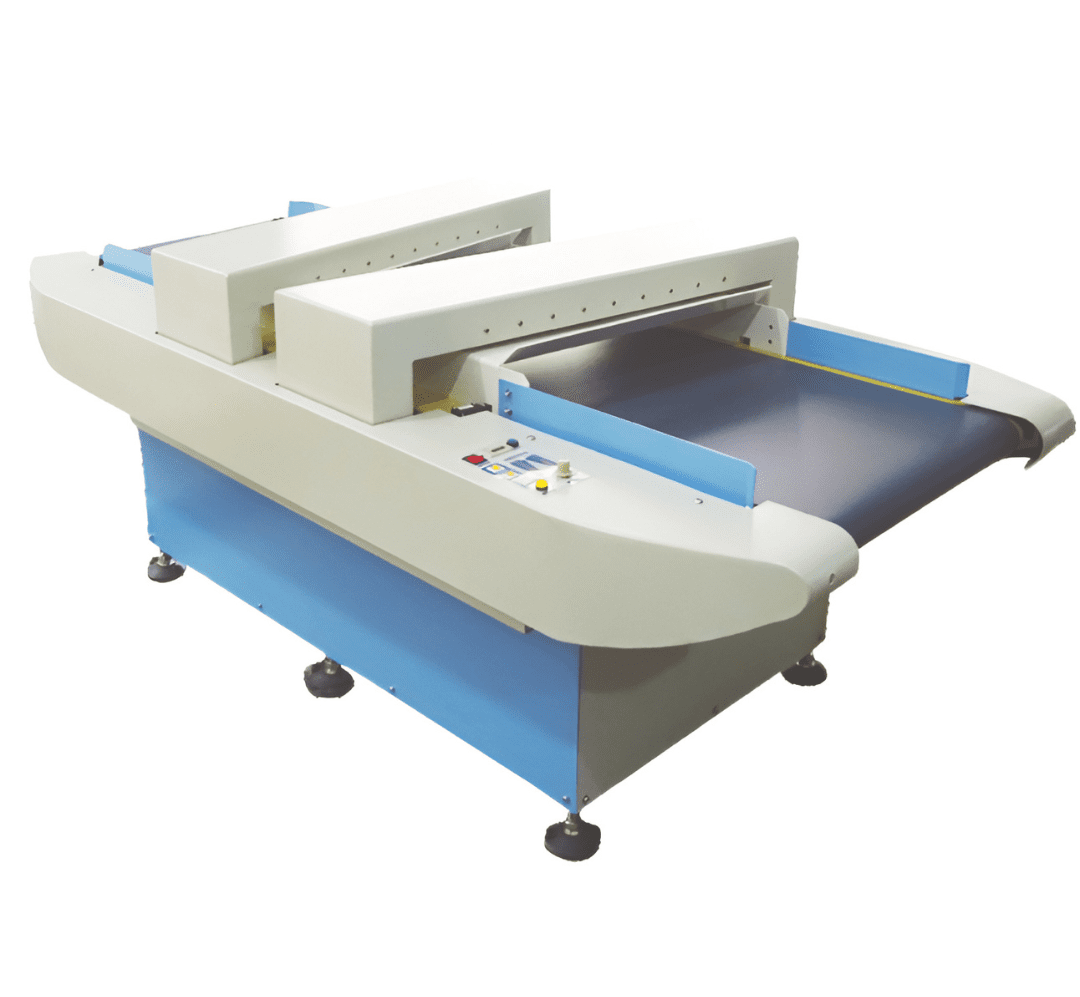
How a Needle Detector Machine Works
A needle detector machine generally uses electromagnetic sensing technology to identify detectable metal objects passing through its inspection area. When a compatible metal fragment is detected, the system alerts the operator through an alarm or other configured warning mechanism.
Depending on the machine model, additional features may include conveyor stopping, automatic rejection, sensitivity adjustment, and digital controls. These functions help operators respond quickly to potential contamination and improve inspection consistency.
Lunex Machine offers needle detection equipment for garment manufacturing applications. Manufacturers can explore suitable models based on garment dimensions, production volume, inspection requirements, and factory workflow.
Supporting International Garment Safety Requirements
International garment safety expectations vary according to the destination market, buyer specifications, product category, and applicable regulations. A needle detector machine can support manufacturers in meeting inspection requirements by providing a systematic method for checking finished products for detectable metal contamination.
For example, export-oriented factories may incorporate needle detection into their final quality control process before packaging. This helps establish an additional inspection checkpoint and provides an opportunity to identify potentially contaminated garments before dispatch.
However, installing a needle detector machine does not automatically guarantee compliance with every international standard or buyer requirement. Manufacturers should verify the applicable specifications, inspection procedures, sensitivity settings, and documentation requirements for each order.
Key Benefits of Needle Detector Machines for Garment Manufacturers
1. Improved Product Safety
The primary benefit of needle detection is helping identify broken needle fragments and other detectable metal contaminants. Removing potentially contaminated products from the shipment process helps reduce avoidable safety risks.
2. Better Quality Control
Automated or standardized inspection procedures help factories apply consistent checks across production batches. This supports quality assurance and helps operators identify products requiring further investigation.
3. Reduced Export Risks
Contamination incidents can lead to rejected consignments, additional inspection costs, and reputational damage. Effective needle inspection procedures help reduce these risks, although no detection system can eliminate every possibility of contamination.
4. Improved Inspection Efficiency
Modern needle detector machines can simplify final inspection, particularly in factories processing large quantities of garments. Conveyor-based models can support a more organized workflow when configured for the factory's products and production requirements.
5. Greater Buyer Confidence
Documented inspection procedures demonstrate a manufacturer's commitment to product safety and quality. When combined with appropriate records, staff training, and corrective actions, needle detection can contribute to stronger buyer confidence.
Choosing the Right Needle Detector Machine
Selecting suitable equipment is important for achieving reliable inspection results. Garment manufacturers should consider the following factors before investing:
Detection sensitivity: Select a machine capable of meeting the buyer's specified detection requirements.
Inspection area: Ensure the conveyor or inspection opening accommodates the garments being processed.
Production capacity: Match the machine's throughput to the factory's daily inspection volume.
Alarm and safety features: Evaluate audible alarms, conveyor stopping, and other available functions.
Operating controls: Choose controls that allow trained staff to configure and operate the equipment correctly.
Service and maintenance: Consider technical support, calibration or performance verification, and maintenance requirements.
Before purchasing, manufacturers should discuss their garment types, production targets, and buyer-specific inspection protocols with their equipment supplier.
Best Practices for Effective Needle Detection
Even advanced equipment requires correct operation and regular verification. Factories should establish clear procedures for inspecting garments and responding to positive detections.
Operators should test machine performance according to the manufacturer's instructions and the buyer's requirements. Garments that trigger an alarm should be isolated and investigated under the factory's established procedures. If contamination is confirmed, staff should identify the source, correct the issue, and document the action taken.
Routine maintenance, employee training, and suitable inspection records help maintain consistent performance. Manufacturers should also understand the machine's limitations because detection capability can vary with metal type, fragment size, product composition, and operating conditions.
Why Choose Lunex Machine?
Lunex Machine provides needle detection solutions for garment manufacturers seeking to strengthen their quality control processes. Businesses can explore available options, including single-head and double-head needle detector machines, according to their inspection requirements.
Choosing suitable equipment can help factories establish an organized final inspection process and support their efforts to meet customer expectations. For export-oriented businesses, the right machine should be selected based on verified performance specifications rather than machine features alone.
Explore available solutions at https://lunexmachine.com/service/single-head-needle-detector/ and https://lunexmachine.com/service/double-head-needle-detector/.
Conclusion
A needle detector machine is an important tool for supporting garment safety, improving final inspection, and reducing the risk of detectable metal contamination in exported products. When combined with documented procedures, trained operators, and regular performance checks, it can strengthen a manufacturer's quality assurance system.
Lunex Machine helps garment manufacturers explore needle detection solutions suited to their production needs. Investing in appropriate inspection equipment can support safer products, more consistent quality control, and stronger relationships with international buyers.