

How an Advanced Fusing Machine Ensures Strong and Uniform Interlining Bonding
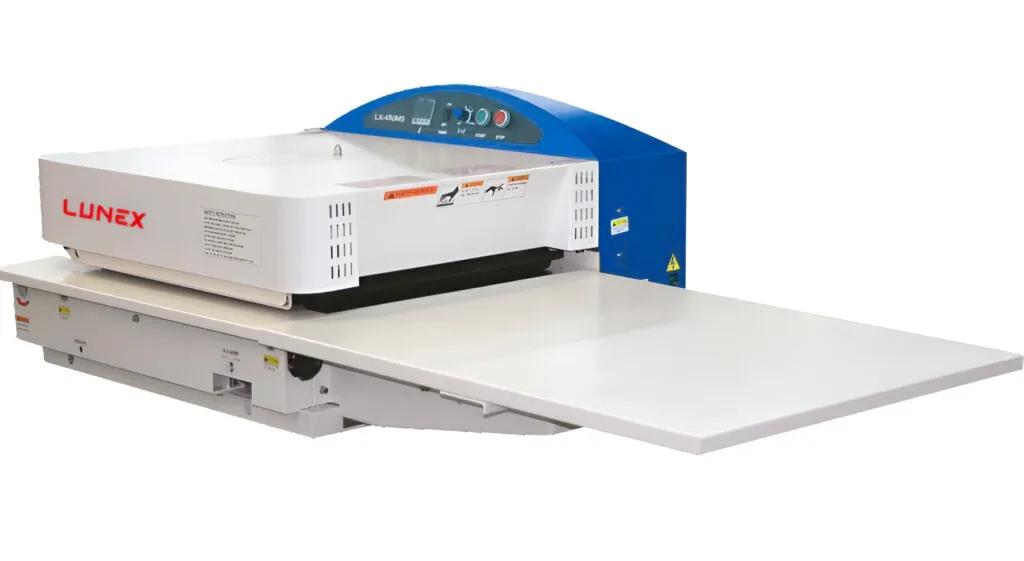
Advanced Fusing Machine
In modern garment manufacturing, achieving strong and uniform interlining bonding is essential for producing high-quality garments with a professional finish. Interlining provides structure, shape, and stability to different garment components, including collars, cuffs, waistbands, and front panels. To achieve reliable bonding, manufacturers need precise control over temperature, pressure, and processing time. An advanced fusing machine helps garment factories maintain consistent bonding quality, improve production efficiency, and reduce manufacturing defects. Lunex Machine offers fusing machine solutions designed to support the changing requirements of the textile and apparel industry.
Understanding Interlining Bonding in Garment Manufacturing
Interlining is a supporting material attached to the main fabric to improve its shape, stiffness, and overall appearance. Fusible interlining contains an adhesive coating that bonds with the garment fabric when exposed to suitable heat and pressure.
However, successful bonding depends on several factors. Incorrect temperature may prevent the adhesive from melting properly, while excessive heat can damage delicate fabrics. Insufficient pressure may result in weak adhesion, and excessive pressure can affect fabric texture. Inconsistent processing time may also cause uneven bonding across garment components.
An advanced fusing machine helps manufacturers control these essential parameters, making the bonding process more reliable and repeatable.
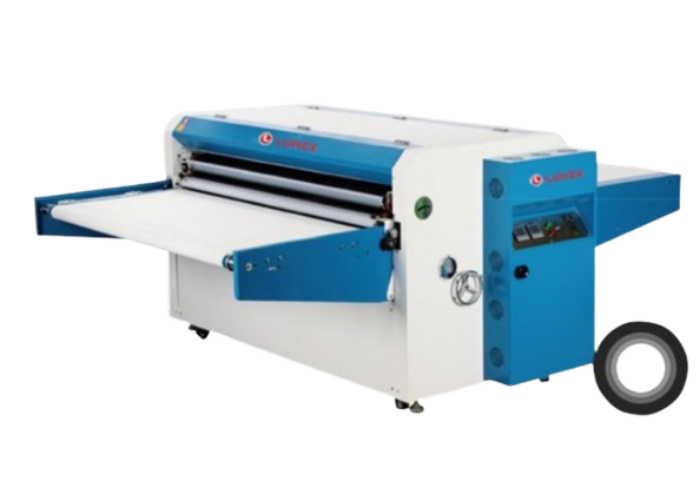
Precise Temperature Control for Consistent Results
Temperature plays a critical role in determining the quality of interlining adhesion. Different fabrics and adhesive coatings require specific temperature settings to achieve effective bonding without damaging the material.
An advanced fusing machine with accurate temperature controls helps maintain the required heating conditions throughout production. Consistent heat allows the adhesive to activate correctly and form a secure bond between the fabric and interlining.
This is particularly important when manufacturing premium shirts, jackets, trousers, uniforms, and other garments that require a clean, structured appearance. Proper temperature management can also reduce problems such as adhesive marks, fabric discoloration, bubbling, and weak bonding.
Manufacturers should always follow the recommended temperature settings provided by the fabric and interlining suppliers to achieve the best results.
Uniform Pressure for Strong Interlining Adhesion
Pressure is another important factor in achieving strong and uniform interlining bonding. The machine must apply suitable pressure across the fabric surface so that the activated adhesive can connect effectively with the garment material.
An advanced fusing machine helps maintain more consistent pressure during processing. Uniform pressure reduces the likelihood of poorly bonded areas and supports a smooth finish across garment panels.
For garment manufacturers producing large quantities, consistent pressure is especially valuable because it helps maintain quality across multiple production batches. Proper pressure settings also help prevent unnecessary flattening, surface marks, and changes in fabric appearance.
By combining suitable pressure with accurate temperature and processing time, manufacturers can improve bonding reliability and reduce avoidable rework.
Controlled Processing Time Improves Bonding Quality
Processing time determines how long the fabric and interlining remain exposed to heat and pressure. If the duration is too short, the adhesive may not activate sufficiently. Excessive processing time can expose the material to unnecessary heat and potentially affect its appearance or performance.
Modern fusing machines allow operators to manage processing conditions according to production requirements. Consistent processing time helps achieve repeatable results while supporting a smooth manufacturing workflow.
When temperature, pressure, and processing time are correctly balanced, the resulting bond is more likely to withstand normal garment handling and subsequent manufacturing operations.
Benefits of an Advanced Fusing Machine for Garment Manufacturers
Investing in an advanced fusing machine offers several practical advantages for apparel production units.
1. Improved bonding strength: Appropriate heat, pressure, and processing time help create reliable adhesion between fabric and interlining.
2. Uniform garment appearance: Consistent fusing helps maintain the shape and finish of collars, cuffs, waistbands, and front panels.
3. Reduced production defects: Properly controlled processing can minimize bubbling, peeling, uneven bonding, and other common fusing problems.
4. Better production efficiency: Automated or controlled operations can reduce manual intervention and support a more organized workflow.
5. Less material wastage: Reducing bonding failures and rework can help manufacturers use fabric and interlining more efficiently.
6. Consistent product quality: Repeatable processing conditions help factories maintain manufacturing standards across different production batches.
These benefits make advanced fusing technology a valuable investment for businesses seeking better garment quality and dependable production performance.

Applications Across the Textile and Apparel Industry
Advanced fusing machines are used in various garment manufacturing applications where fusible interlining is required. These include formal shirts, business suits, jackets, trousers, school uniforms, workwear, and selected fashion garments.
For example, collars and cuffs require suitable stiffness to maintain their shape, while jacket fronts need reliable interlining adhesion to achieve a structured appearance. Uniform manufacturers also benefit from consistent fusing because products must maintain a professional finish across large quantities.
Selecting the appropriate machine depends on fabric type, interlining specifications, production volume, and the size of the components being processed.
Why Choose Lunex Machine for Fusing Solutions?
Lunex Machine serves the garment and textile industry with machinery solutions designed for modern manufacturing requirements. Businesses looking to improve interlining bonding should evaluate equipment based on temperature accuracy, pressure consistency, processing speed, ease of operation, and maintenance requirements.
Before investing in a fusing machine, manufacturers should consider their production capacity, available workspace, fabric varieties, and desired finishing standards. They should also verify that the machine is suitable for their specific bonding applications.
Choosing appropriate equipment and following recommended operating procedures can help garment factories improve efficiency while maintaining reliable product quality.
Conclusion
An advanced fusing machine plays an important role in achieving strong and uniform interlining bonding in garment manufacturing. Precise temperature control, consistent pressure, and suitable processing time help reduce defects, improve garment appearance, and support efficient production.
For apparel manufacturers seeking better bonding performance and professional finishing, Lunex Machine is a solution provider worth considering. Explore the available fusing machine options to identify equipment suited to your production needs.