

How Fusing Machines for the Textile and Clothing Industry Help Garment Exporters Meet Quality Expectations
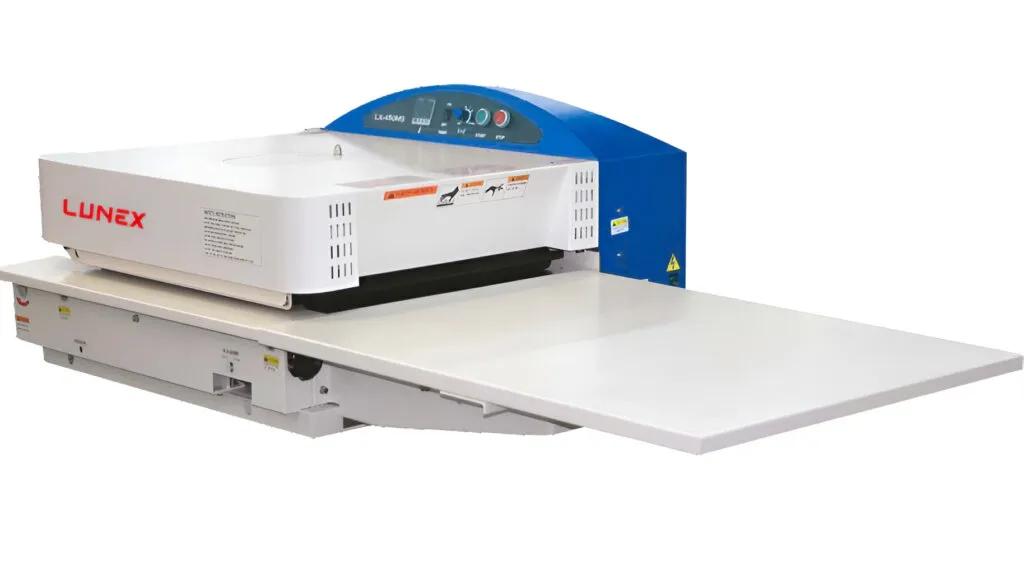
Fusing Machines for the Textile and Clothing Industry
The textile and clothing industry demands consistent quality, durability, and professional finishing, especially when manufacturing garments for international markets. Garment exporters must meet buyer specifications, maintain uniform production standards, and deliver products that satisfy customer expectations. In this process, fusing machines for the textile and clothing industry play an important role in achieving reliable fabric bonding and high-quality garment construction.
Lunex Machine provides machinery solutions for garment manufacturers seeking to improve production efficiency and finishing quality. Investing in a suitable fusing machine can help apparel businesses achieve consistent results, reduce production defects, and strengthen their competitiveness in the export market.
Understanding the Importance of Fusing Machines
Fusing is a garment manufacturing process in which interlining is bonded to fabric using controlled heat, pressure, and time. It is commonly used in collars, cuffs, waistbands, plackets, front panels, and other garment components that require additional structure and stability.
A quality fusing process helps garments maintain their intended shape, appearance, and performance. Poor bonding may cause bubbling, peeling, wrinkles, or uneven surfaces, negatively affecting the final product.
Modern fusing machines help manufacturers control essential operating parameters to achieve more consistent bonding results. For garment exporters, this consistency is particularly important when producing large orders for international buyers.

1. Consistent Bonding for Export-Quality Garments
International clothing brands often expect garments to maintain uniform appearance and construction across every production batch. Variations in bonding quality can lead to rejected products, customer complaints, and additional production costs.
Fusing machines help manufacturers apply controlled heat and pressure to bond interlining with the base fabric. When temperature, pressure, and processing time are correctly matched to the materials, manufacturers can achieve reliable bonding and a smooth finish.
Lunex Machine supports garment businesses looking for suitable fusing machine solutions to improve process consistency. Selecting the right equipment and following recommended operating settings can help exporters maintain the quality standards required by their buyers.
2. Improved Garment Appearance and Finishing
Professional finishing is essential for garments supplied to international markets. Collars should retain their shape, cuffs should look neat, and structured garment panels should maintain a smooth appearance.
A suitable fusing machine helps create stable fabric components that contribute to the overall appearance of finished clothing. Uniform bonding can reduce common defects such as bubbles, creases, and uneven interlining adhesion.
Better finishing can improve the perceived quality of shirts, jackets, trousers, uniforms, and other apparel products. By incorporating an appropriate fusing process into production, exporters can work toward consistent results that meet buyer expectations.
3. Reduced Production Defects and Material Waste
Production defects can increase manufacturing costs and affect delivery schedules. When interlining does not bond properly, garment components may require reprocessing or replacement. In some cases, defective garments cannot be repaired economically.
Advanced fusing machines with suitable temperature and pressure controls can help reduce bonding inconsistencies when operated correctly. This allows manufacturers to improve process repeatability and identify suitable settings for different fabric and interlining combinations.
Reducing avoidable defects can also minimize fabric waste, conserve production resources, and improve operational efficiency. For export-oriented businesses working with strict cost targets, these benefits can contribute to better production planning.
However, equipment alone cannot eliminate every defect. Proper material selection, operator training, routine maintenance, and quality inspections remain essential.
4. Greater Productivity in Garment Manufacturing
Garment exporters frequently work with large orders and demanding delivery schedules. Efficient production processes help manufacturers manage these requirements without compromising quality.
Industrial fusing machines can streamline interlining bonding by processing garment components through a controlled workflow. Depending on the machine model and production setup, features such as conveyor operation, digital controls, and adjustable processing parameters can support efficient manufacturing.
Automating this stage can reduce dependence on inconsistent manual methods and help operators maintain a repeatable process. Manufacturers should choose machine capacity according to their order volumes, fabric types, and available production space.
Lunex Machine offers machinery solutions for garment businesses exploring ways to improve their production workflow and finishing operations.
5. Precise Temperature, Pressure, and Processing Time
Temperature, pressure, and processing time are among the most important factors affecting fusing quality. Incorrect settings may result in weak adhesion, fabric damage, surface marks, or changes in material appearance.
Modern fusing machines may include digital temperature displays, adjustable pressure settings, and controlled conveyor speeds. These features help operators establish repeatable process conditions for suitable fabric and interlining combinations.
Nevertheless, different materials require different settings. Manufacturers should follow interlining supplier recommendations and conduct bonding tests before starting full-scale production. Regular calibration and equipment maintenance also help support reliable operation.
For garment exporters, controlling these parameters helps create a more consistent production process and reduces the likelihood of quality variations between batches.
6. Supporting Different Garment Categories
Export manufacturers produce a wide range of clothing, including formal shirts, business suits, jackets, uniforms, trousers, and fashion garments. Each category may require different interlining characteristics and bonding conditions.
A suitable fusing machine helps manufacturers process compatible materials according to the requirements of specific garment components. Choosing equipment that matches production needs can support flexibility when working with different fabrics, interlinings, and order specifications.
Before investing, garment manufacturers should evaluate conveyor width, operating capacity, temperature range, pressure adjustment, control features, and the types of materials they regularly process.
Discussing these requirements with a machinery supplier can help businesses identify an appropriate solution for their manufacturing operations.
7. Why Choose Lunex Machine for Fusing Machine Solutions?
Selecting a suitable machinery supplier is an important decision for textile manufacturers and garment exporters. Lunex Machine provides industrial machinery solutions for businesses seeking improved efficiency, reliable production processes, and professional garment finishing.
When evaluating fusing machines for the textile and clothing industry, manufacturers should consider machine specifications, compatibility with their materials, maintenance requirements, and production capacity. They should also confirm the availability of technical guidance and after-sales support before purchasing.
Lunex Machine can be considered by businesses exploring fusing equipment for their garment manufacturing requirements. The right machine, combined with appropriate operating procedures, helps establish a foundation for consistent bonding and quality-focused production.
Conclusion
Fusing machines for the textile and clothing industry play a valuable role in helping garment exporters achieve consistent bonding, professional finishing, improved productivity, and reduced material waste. By maintaining appropriate temperature, pressure, and processing time, manufacturers can improve quality control and work toward meeting international buyer expectations.
Lunex Machine supports garment manufacturers looking for industrial fusing machine solutions to strengthen their production processes. Investing in suitable equipment, training operators, and maintaining regular quality checks can help exporters deliver garments with reliable construction and professional finishing.
Explore fusing machine solutions at https://lunexmachine.com/ and identify equipment that matches your garment production requirements.