


Advanced Fusing Machine
In modern garment manufacturing, achieving consistent quality, faster production, and strong fabric bonding is essential for staying competitive. An Advanced Fusing Machine plays an important role by bonding interlining and fabric through controlled heat, pressure, and speed. However, with many options available, selecting the right machine for your garment factory requires careful consideration.
For garment manufacturers, exporters, and textile businesses, Lunex Machine offers advanced textile machinery designed to support efficient and reliable production. This guide explains the key factors to consider when choosing the best Advanced Fusing Machine for your factory.

1. Understand Your Production Requirements
Before purchasing a fusing machine, evaluate your production volume and fabric requirements. A small garment unit may need a compact machine, while a large factory handling high-volume production may require an industrial fusing machine with higher working capacity.
Consider:
Daily production volume
Types of garments manufactured
Fabric thickness and material
Interlining types
Required fusing width
Available production space
Choosing a machine according to your actual requirements helps prevent unnecessary investment and ensures efficient operation.
2. Check Temperature Control
Accurate temperature control is one of the most important features of an Advanced Fusing Machine. Different fabrics and interlinings require different temperatures for effective bonding.
A machine with precise temperature adjustment helps maintain consistent bonding quality while reducing the risk of fabric damage, adhesive problems, or uneven results. Digital temperature controls can also make machine operation easier and more reliable.
3. Evaluate Pressure Control
Pressure directly affects the quality of fabric and interlining bonding. Insufficient pressure may result in weak adhesion, while excessive pressure can affect fabric appearance or structure.
Look for a fusing machine that provides stable and adjustable pressure according to different fabric requirements. Consistent pressure helps achieve uniform results throughout the production process.
4. Consider Conveyor Speed
Production speed is another important factor when selecting an industrial fusing machine. A machine with adjustable conveyor speed allows manufacturers to match the fusing process with different materials and production requirements.
For high-volume garment factories, efficient conveyor movement can help increase productivity without compromising bonding quality. The right balance between temperature, pressure, and speed is essential for achieving reliable results.
5. Select the Appropriate Fusing Width
The working width of the machine should match the size and type of garments your factory produces. A suitable fusing width allows operators to process fabric and interlining efficiently.
Before purchasing, measure the materials commonly used in your factory and select a machine that can comfortably accommodate them. The correct working width can improve productivity and reduce unnecessary material handling.
6. Look for Energy-Efficient Technology
Energy consumption is an important consideration for modern garment factories. An energy-efficient fusing machine can help reduce operating expenses while supporting more sustainable manufacturing practices.
Advanced heating systems, effective insulation, and optimized machine operation can contribute to better energy efficiency. When comparing machines, consider both purchase price and long-term operating costs.
7. Check Safety Features
Industrial machinery should provide a safe working environment for operators. When selecting an Advanced Fusing Machine, check for features such as emergency stop systems, temperature monitoring, protective components, and reliable electrical systems.
A machine designed with appropriate safety features can help reduce operational risks and support smoother factory operations.
8. Consider Automation and Digital Controls
Modern garment factories increasingly depend on automation to improve consistency and reduce manual errors. Digital controls can make it easier to monitor and adjust important parameters such as temperature, pressure, and conveyor speed.
Advanced control systems can also simplify machine operation and help operators maintain repeatable fusing conditions across different production batches.
9. Evaluate Machine Durability
A fusing machine is a long-term investment, so durability should be a major consideration. Examine the machine's construction quality, components, heating system, conveyor mechanism, and overall design.
A robust industrial fusing machine should be capable of handling regular production workloads while maintaining consistent performance. Selecting reliable machinery can reduce unexpected downtime and maintenance costs.
10. Consider Maintenance Requirements
Regular maintenance is necessary to keep a fusing machine operating efficiently. Before buying, understand the recommended maintenance schedule and availability of replacement components.
A machine with accessible components and straightforward maintenance procedures can save valuable production time. Reliable technical support is also important when troubleshooting or servicing becomes necessary.
11. Choose a Reliable Machinery Manufacturer
The manufacturer you choose can be just as important as the machine itself. Look for a machinery company with experience in textile and garment manufacturing equipment, dependable technical support, and a reputation for quality.
Lunex Machine focuses on providing garment and textile machinery solutions designed around the practical needs of modern manufacturers. Working with an experienced supplier can make installation, training, maintenance, and after-sales support easier.
12. Compare Total Cost of Ownership
The cheapest machine is not always the most economical option. When comparing Advanced Fusing Machines, consider the complete cost of ownership, including:
Initial machine price
Energy consumption
Maintenance costs
Spare parts
Operator requirements
Production capacity
Expected service life
After-sales support
A machine with a higher initial price may provide better long-term value if it delivers improved productivity, lower energy consumption, and reliable performance.
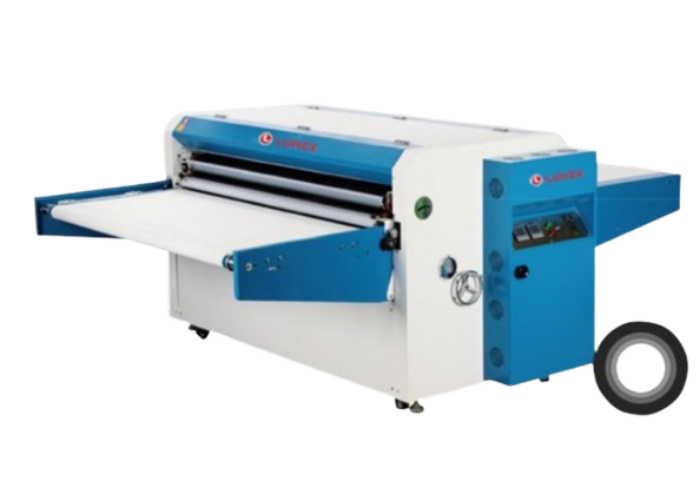
Why Choose an Advanced Fusing Machine from Lunex Machine?
For garment manufacturers looking to improve fabric bonding and production efficiency, choosing the right machinery partner is essential. Lunex Machine provides industrial garment machinery solutions focused on performance, productivity, and dependable operation.
An Advanced Fusing Machine can help manufacturers achieve more consistent bonding, improve production efficiency, reduce defects, and maintain high garment quality. By selecting equipment based on temperature control, pressure, conveyor speed, working width, energy efficiency, safety, automation, durability, and after-sales support, factories can make a more informed investment.
Conclusion
Selecting the best Advanced Fusing Machine for your garment factory requires more than comparing prices. Manufacturers should evaluate production requirements, fabric types, temperature and pressure control, conveyor speed, machine width, energy efficiency, safety, automation, durability, maintenance, and supplier support.
The right fusing machine can improve bonding consistency, reduce production issues, increase productivity, and contribute to better-quality garments. With the right technology and a reliable machinery partner such as Lunex Machine, garment factories can build a more efficient and dependable production process.