

Needle Detector Machine Applications in Footwear, Toys, and Home Textile Manufacturing

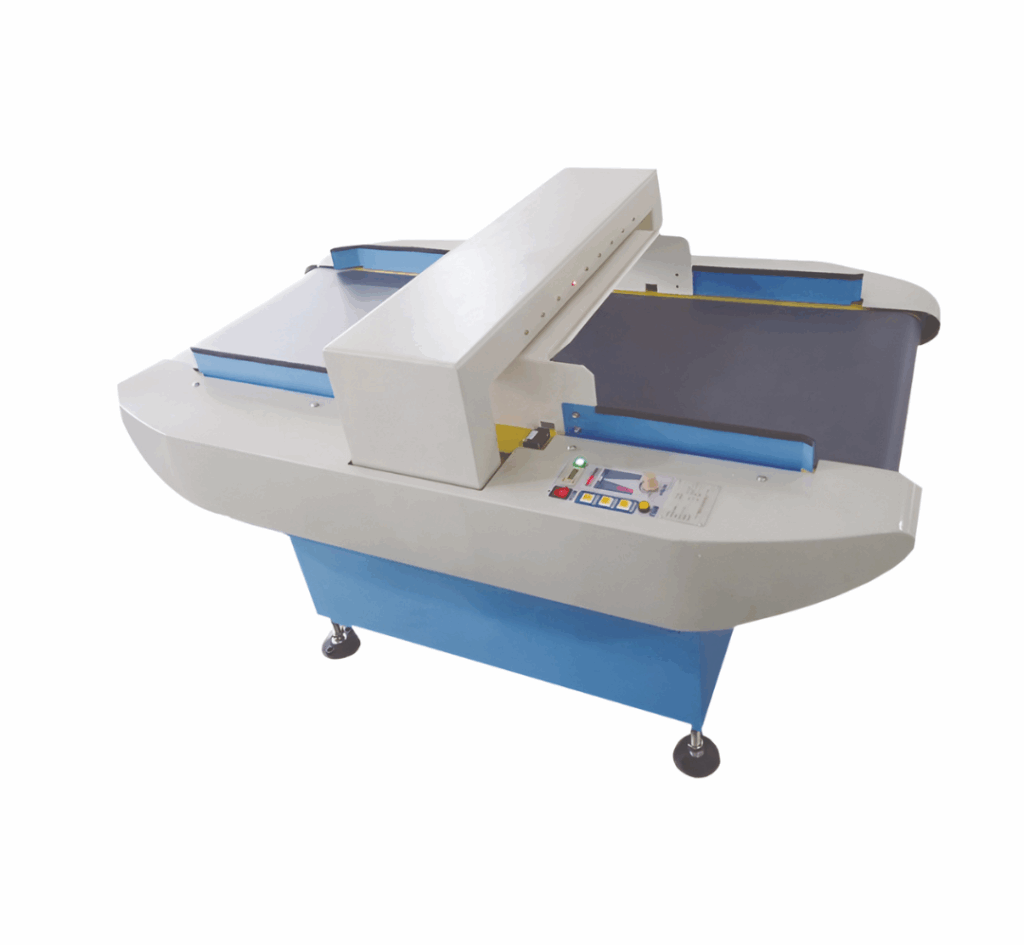
Needle Detector Machine
Product safety and quality control are essential for manufacturers in the footwear, toy, and home textile industries. During production, broken sewing needles, metal fragments, and other ferrous contaminants may accidentally become embedded in finished products. These foreign objects can cause injuries, product recalls, customer complaints, and financial losses. A needle detector machine helps manufacturers identify metallic contamination before products reach customers.
Lunex Machine provides advanced industrial machinery solutions designed to support quality control and efficient manufacturing operations. By integrating suitable needle detection equipment into production lines, manufacturers can improve product safety, maintain quality standards, and strengthen customer confidence across multiple industries.
1. Needle Detector Machine Applications in Footwear Manufacturing
The footwear industry uses various materials, including leather, synthetic fabrics, textiles, foam, and other components. Sewing and stitching operations are common in the manufacturing of shoes, slippers, sandals, and sports footwear. During these processes, sewing needles may break, creating a risk of metal contamination.
A needle detector machine helps footwear manufacturers inspect finished products and identify potentially dangerous metallic fragments before packaging and dispatch.
Key Applications in Footwear
Shoe and Sneaker Inspection: Sports shoes, casual footwear, and formal shoes often involve multiple stitching operations. Needle detection helps identify broken needle fragments that may remain inside stitched sections.
Leather Footwear Manufacturing: Leather shoes and boots require specialised stitching processes. Inspection equipment can help detect ferrous metal fragments in suitable finished products.
Slippers and Sandals: Manufacturers producing stitched slippers, fabric sandals, and similar footwear can introduce metal detection into their final quality control process.
Export Quality Control: Footwear exporters can use needle detection as part of their product safety procedures and customer-specific inspection requirements.
By implementing an appropriate needle detector machine, footwear manufacturers can reduce contamination risks and improve the reliability of their final inspection process.
2. Needle Detector Machine Applications in Toy Manufacturing
Toy manufacturers must pay particular attention to product safety, especially when producing items intended for infants and children. Soft toys, stuffed animals, fabric dolls, and other textile-based products often require extensive stitching and assembly.
A broken needle or metallic fragment accidentally left inside a toy can present a serious safety hazard. Needle detection equipment can help identify ferrous contamination before products are approved for shipment.
Key Applications in Toy Manufacturing
Soft Toys and Stuffed Animals: These products contain filling materials and stitched fabric components. Appropriate inspection procedures help manufacturers identify possible metallic contamination in finished toys.
Fabric Dolls and Plush Products: Needle detector machines can support quality checks for stitched dolls, plush figures, and decorative textile toys.
Educational and Children's Fabric Toys: Manufacturers producing fabric books, soft play products, and textile-based educational toys can incorporate detection into their final inspection process.
Toy Export Manufacturing: Businesses supplying international markets can strengthen their internal quality assurance procedures by including suitable metal detection equipment.
For reliable inspection, manufacturers should select a machine that suits the toy's size, shape, filling material, and construction. Product thickness, metallic accessories, and other components can affect detection performance. Validation with representative products is therefore essential.
3. Needle Detector Machine Applications in Home Textile Manufacturing
Home textile products are widely used in residential, hospitality, healthcare, and commercial environments. Items such as bedsheets, pillow covers, curtains, blankets, quilts, and mattress covers undergo cutting, stitching, quilting, and finishing processes.
During these operations, broken needles may accidentally remain in textile layers or stitched sections. A needle detector machine can help manufacturers identify ferrous contamination before finished goods are packed and distributed.
Key Applications in Home Textiles
Bedsheets and Pillow Covers: These products undergo multiple stitching operations. Inspection can help identify broken needle fragments before packaging.
Blankets and Quilts: Thick or layered textiles may require suitable detection equipment and carefully validated inspection procedures.
Curtains and Upholstery Fabrics: Manufacturers producing stitched curtains, cushion covers, and upholstered textile components can use metal detection to support quality assurance.
Mattress Covers and Bedding Accessories: Needle detection can form part of the final inspection process for stitched mattress protectors, bedding covers, and related products.
Hotel and Hospital Textiles: Suppliers serving institutional customers can incorporate inspection procedures to help maintain consistent product quality and meet applicable customer requirements.
For layered or thick products, manufacturers should verify detection sensitivity using actual finished items. Material composition, product thickness, and construction can influence inspection results.
4. Benefits of Using a Needle Detector Machine
Investing in a suitable needle detector machine offers several advantages for manufacturers across footwear, toys, and home textiles.
Improved Product Safety: Helps identify ferrous metal contamination before products reach customers.
Better Quality Control: Adds a systematic inspection step to manufacturing operations.
Reduced Recall Risks: Supports early identification of contamination that could otherwise lead to complaints or costly recalls.
Greater Customer Confidence: Demonstrates a commitment to product inspection and quality assurance.
Support for Export Requirements: Helps businesses meet applicable buyer specifications and internal inspection procedures.
Efficient Production Workflows: Conveyor-based systems can support inspection of compatible products in organised production lines.
Actual results depend on machine specifications, product characteristics, operating procedures, and inspection practices.
5. How to Choose the Right Needle Detector Machine
Selecting the correct machine is important for achieving reliable inspection results. Manufacturers should consider several factors before purchasing equipment.
First, evaluate the size, thickness, weight, and material composition of the products being inspected. Footwear, stuffed toys, and thick quilts may require different inspection arrangements.
Second, consider detection sensitivity and ensure that the machine can identify the relevant ferrous contaminants in representative finished products. Sensitivity should be tested under actual operating conditions rather than assumed from specifications alone.
Third, assess production capacity. A conveyor-type needle detector may be suitable for manufacturers processing large quantities of compatible products, while other configurations may suit different inspection requirements.
Manufacturers should also evaluate alarm systems, conveyor stopping functions where available, ease of operation, maintenance requirements, and after-sales technical support.
Finally, establish documented inspection procedures and regularly verify machine performance using appropriate test samples.
6. Why Choose Lunex Machine?
Lunex Machine supports manufacturers seeking industrial machinery solutions for modern production environments. Businesses in footwear, toy manufacturing, and home textiles can explore suitable needle detection equipment to strengthen their inspection processes and improve production quality.
When selecting equipment from Lunex Machine, manufacturers should discuss their product dimensions, material types, production volume, and required detection sensitivity. This information helps determine an appropriate machine configuration for their specific application.
Regular maintenance, operator training, and performance verification are also important for maintaining consistent inspection results over time.
Conclusion
Needle detector machines play an important role in product inspection across footwear, toy, and home textile manufacturing. From stitched shoes and soft toys to bedsheets, quilts, and curtains, suitable detection equipment helps manufacturers identify ferrous contamination and strengthen product safety procedures.
By choosing appropriate equipment, validating detection performance, and maintaining effective quality control practices, businesses can reduce contamination risks and improve customer confidence. Lunex Machine can be a valuable starting point for manufacturers exploring needle detection solutions tailored to their production requirements and quality assurance goals.