

Why Fusing Machines for the Textile and Clothing Industry Are Essential for Apparel Manufacturing
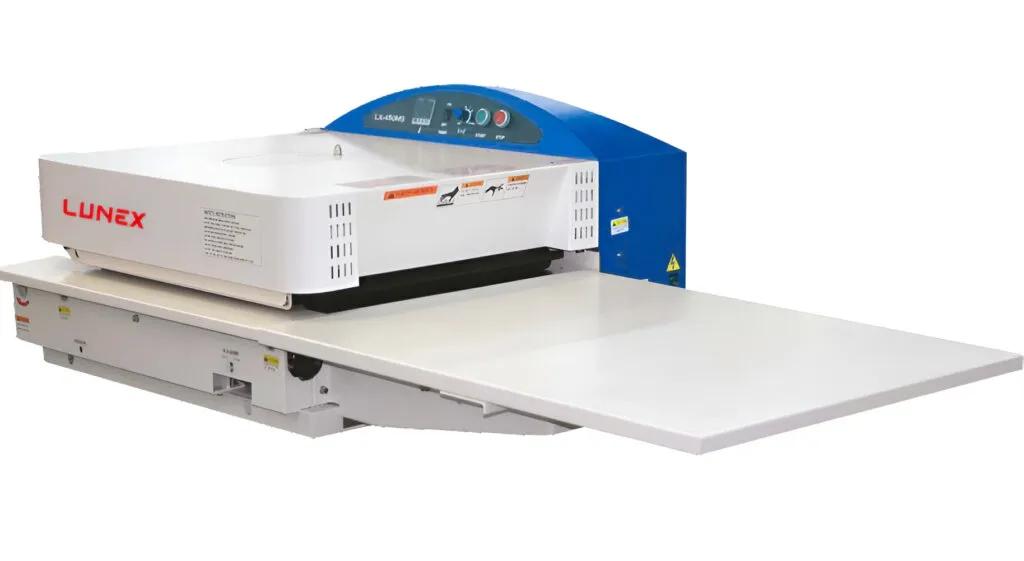
Fusing Machines for the Textile and Clothing Industry
The apparel manufacturing industry demands precision, consistency, speed, and high-quality finishing. As garment production becomes increasingly automated, manufacturers are adopting advanced machinery to improve productivity and maintain consistent quality. Among the essential machines used in modern garment factories, fusing machines for the textile and clothing industry play a vital role in creating durable, professional-looking garments.
A fusing machine uses controlled heat, pressure, and time to bond interlining or other supporting materials with fabric. This process strengthens specific garment components and helps maintain their shape, structure, and appearance. For manufacturers such as Lunex Machine, efficient fusing technology is an important part of delivering reliable solutions for modern apparel production.
What Is a Fusing Machine?
A fusing machine is an industrial garment manufacturing machine designed to permanently bond fusible interlining to fabric. Interlinings are commonly used in collars, cuffs, waistbands, plackets, pockets, jackets, coats, and other garment components.
The machine applies a carefully controlled combination of temperature, pressure, and fusing time. When the adhesive coating on the interlining reaches the required temperature, it bonds with the fabric. Once cooled, the materials remain firmly attached.
Modern fusing machines for the textile and clothing industry are designed to provide consistent bonding across large production volumes while reducing manual effort.

Why Are Fusing Machines Essential in Apparel Manufacturing?
1. Improve Garment Quality
Garment quality depends on more than stitching. Properly fused interlining provides additional structure and stability to important garment areas. It helps collars, cuffs, waistbands, and other components maintain their intended shape.
Consistent fusing also contributes to a cleaner and more professional garment finish, which is particularly important for premium apparel and export-oriented manufacturing.
2. Ensure Consistent Bonding
Manual fusing methods can produce variations in temperature, pressure, and application time. Such inconsistencies may result in weak bonding, bubbles, wrinkles, or uneven finishes.
A modern fusing machine provides controlled operating conditions, helping manufacturers achieve uniform results from one garment to another. This consistency is valuable when producing large quantities for customers and brands.
3. Increase Production Efficiency
Time is an important factor in apparel manufacturing. Manual bonding processes can slow down production and require additional labor.
Industrial fusing machines are designed for continuous production and can process fabric and interlining efficiently. By streamlining the bonding stage, manufacturers can improve workflow and increase overall production capacity.
4. Reduce Material Waste
Incorrect manual fusing can lead to damaged fabric, poorly bonded interlining, and rejected garment components. These issues increase material consumption and production costs.
Accurate temperature, pressure, and timing settings help reduce processing errors. As a result, manufacturers can minimize unnecessary material waste while improving production efficiency.
5. Support Different Fabric Types
The textile industry works with a wide range of materials, including cotton, polyester, blends, synthetic fabrics, and delicate textiles. Different materials require different fusing conditions.
Advanced fusing machines for the textile and clothing industry can offer adjustable parameters, allowing manufacturers to select suitable settings for different fabrics and interlining materials.
Applications of Fusing Machines in Garment Manufacturing
Fusing technology is used in numerous apparel production processes. Common applications include:
Shirt collars and cuffs
Suit and jacket components
Waistbands and trouser sections
Pocket openings
Plackets
Coats and outerwear
Uniforms and workwear
Fashion garments
Structured dresses and jackets
The versatility of fusing machines makes them useful for both small garment manufacturers and large-scale apparel production facilities.

Fusing Machines and Modern Apparel Automation
Automation is transforming the textile and clothing industry. Manufacturers are looking for machinery that can deliver higher productivity without compromising quality.
Modern fusing machines can become an important part of an integrated garment production line. By standardizing the fusing process, they reduce dependence on manual handling and help production teams maintain consistent operating conditions.
Features such as digital temperature controls, adjustable pressure, conveyor systems, and automated feeding mechanisms can further improve operational efficiency, depending on the machine model.
How to Choose the Right Fusing Machine
Selecting the appropriate machine requires consideration of several production factors. Manufacturers should evaluate:
Fabric Compatibility: Choose a machine suitable for the fabrics and interlinings used in production.
Production Capacity: Consider the required production volume and conveyor or working width.
Temperature Control: Precise temperature control is important for achieving reliable adhesive bonding.
Pressure Adjustment: Different materials may require different pressure levels.
Energy Efficiency: Efficient machinery can help control operational costs during continuous production.
Maintenance Requirements: Machines should be easy to operate, clean, inspect, and maintain.
Safety Features: Proper safety mechanisms are important in industrial garment machinery.
Understanding these requirements helps manufacturers select a machine that matches their production needs.
Benefits for Garment Manufacturers
Investing in reliable fusing machines for the textile and clothing industry can provide several operational benefits. These include improved garment structure, consistent bonding, faster production, reduced manual work, lower material waste, and better finishing quality.
For businesses competing in domestic and international apparel markets, consistent production quality can also help meet customer specifications and maintain manufacturing standards.
Why Choose Lunex Machine?
Lunex Machine provides garment and textile machinery solutions designed to support modern manufacturing requirements. Its range of industrial machinery focuses on helping garment manufacturers improve productivity, precision, and production efficiency.
For manufacturers looking for dependable fusing machines for the textile and clothing industry, selecting equipment based on production requirements, fabric types, capacity, and desired automation level is essential. The right fusing solution can become a valuable part of an efficient apparel manufacturing process.
Conclusion
Fusing machines for the textile and clothing industry have become an essential component of modern apparel manufacturing. By combining controlled heat, pressure, and time, these machines provide reliable interlining adhesion while improving consistency, productivity, and garment finishing.
As apparel manufacturers continue to focus on automation, efficiency, and quality, advanced fusing technology can help create a more standardized and productive manufacturing workflow. With the right equipment from a trusted machinery provider such as Lunex Machine, garment manufacturers can strengthen their production capabilities and meet the evolving demands of the textile and clothing industry.